
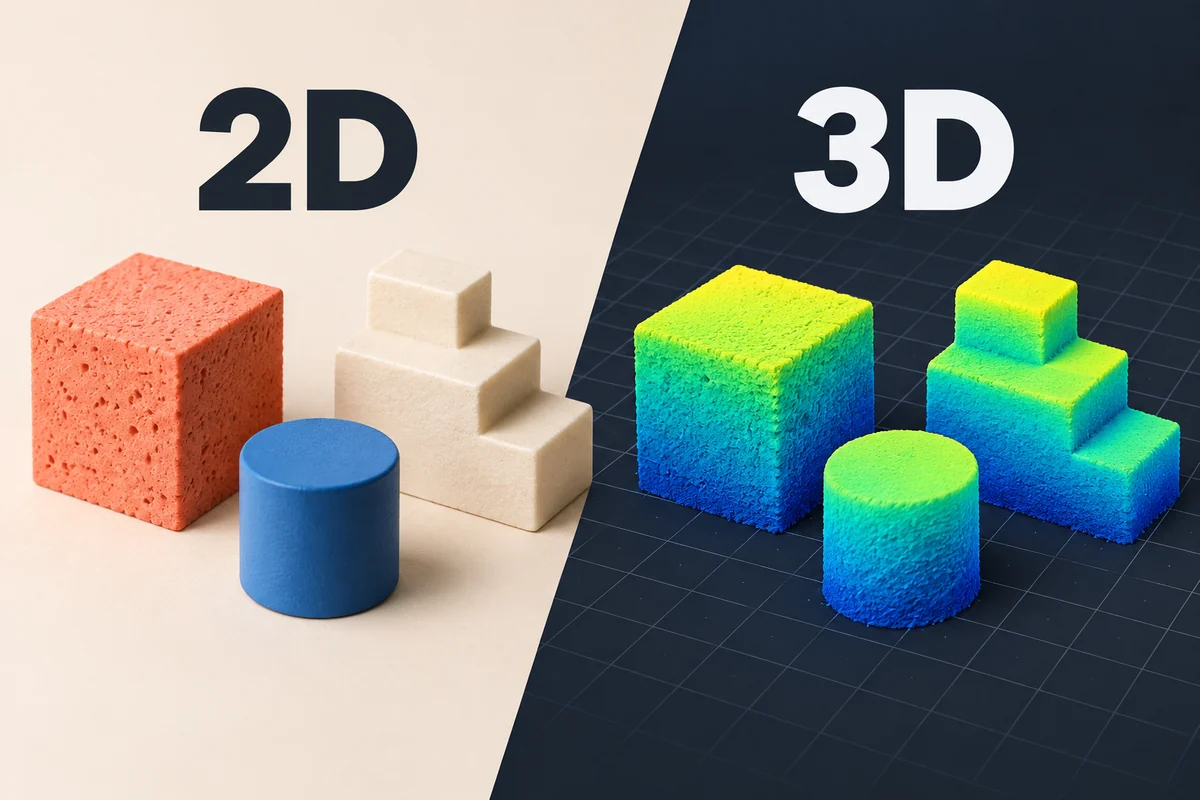
Choose a 2D or 3D camera by identifying the information your application needs. A 2D image provides appearance information such as color, intensity and visible features. A depth camera adds measurements associated with surface geometry. Some tasks benefit from combining both.
For machine vision, the first question is whether the decision depends on appearance, spatial distance or their relationship. That choice gives the camera selection a practical starting point.
Match the image data to the task
| Application question | Information to evaluate | Camera approach to consider |
|---|---|---|
| Is a label readable or a color correct? | Image detail, contrast and illumination | A suitable 2D imaging system |
| How far is a surface from the camera? | A calibrated distance or depth measurement | A ranging sensor or depth camera |
| What is the spatial shape or position of an object? | Surface geometry across a region | A 3D imaging system with suitable coverage |
| Which object has both the required appearance and location? | Related appearance and geometry | RGB and depth with appropriate alignment |
Algorithms can infer information from 2D images, and their results depend on the scene and model. Evaluate the actual pipeline rather than treating a camera's dimensional label as a complete description of the application.
When measured depth helps
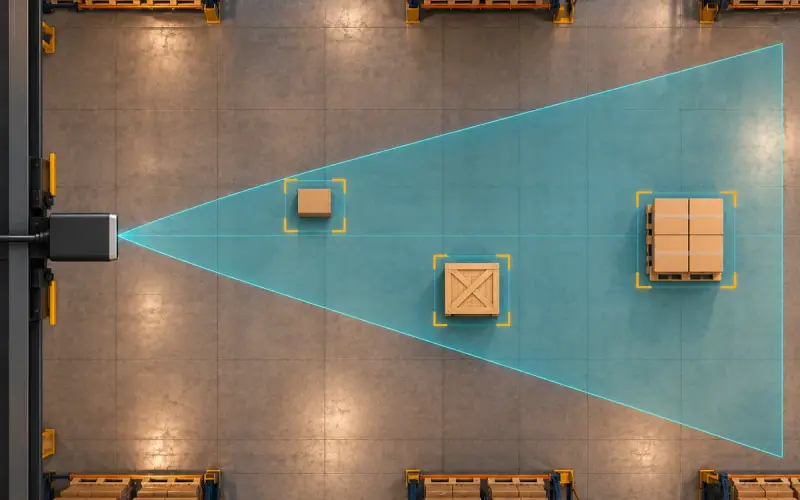
Measured depth can separate surfaces by distance and support geometric processing. Examples include locating a parcel's surfaces, describing the space around a robot and defining occupancy regions in an overhead view. Each application still needs software that turns those measurements into its required decision.
Begin with the smallest feature and the depth differences that matter. Check whether the device can supply enough useful samples on those surfaces at the expected distance. Geometry at object boundaries deserves attention because one image location can include contributions from more than one surface.
When 2D imaging remains useful
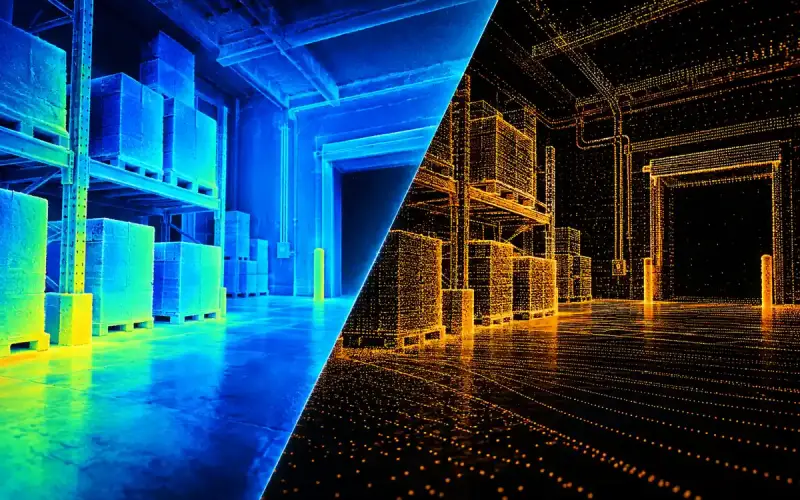
Color, print, texture and many surface details are naturally represented in a 2D image. A depth map answers a different set of questions. For inspection, decide which defects or features are visible in each data type and whether the added geometry helps the decision.
Gesture, object recognition and other application functions can use different sensing and algorithm arrangements. Choose the inputs required by the intended implementation. A depth camera supplies geometric measurements; recognition performance comes from the complete system.
Separate appearance defects from geometric defects in a trial
For a 2D vs 3D machine vision evaluation, collect representative acceptable and defective parts and label what makes each one acceptable. A wrong print or color asks for appearance information. A missing raised feature or a misplaced surface asks for geometry. A part can have both kinds of defect, so a single pass/fail label may conceal why a candidate succeeded.
Run the intended decision using RGB, depth and their combination where the system supports those inputs. Keep the test parts and acceptance rule consistent, and report missed defects, false rejects and decision latency for each task. This is a proposed comparison method, not evidence that any camera or algorithm has achieved a particular inspection rate. The useful result is which input supplies the information needed for the actual defect and production conditions.
Combining RGB and depth
An RGB-D camera provides color information and depth. The data can support tasks where appearance and spatial position both matter. Check the resolution and field of view of each stream, their geometric relationship and their acquisition timing.
A point selected in the color image is not automatically the same pixel location in the depth image. The processing needs the appropriate alignment or coordinate transformation. Read how RGB-D cameras obtain depth and the calibration guide for those integration steps.
Choosing a 3D measurement route
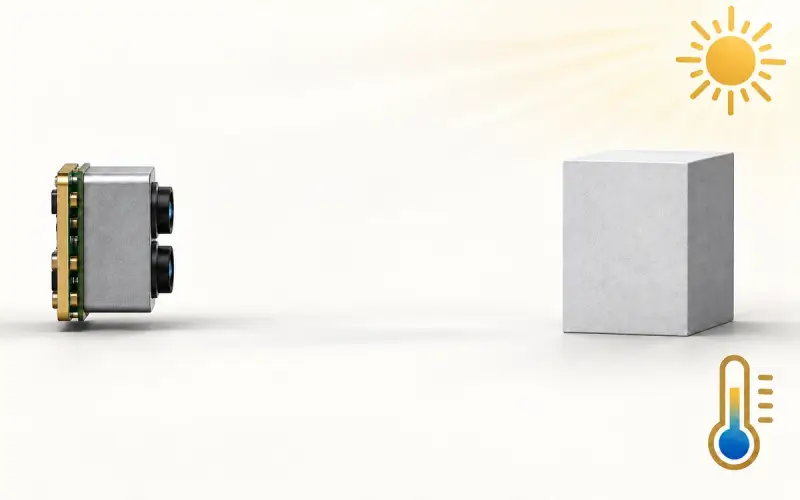
ToF, stereo and structured light obtain depth through different measurements. After deciding that geometry is useful, compare the routes against material, light, distance, motion and mounting conditions. The ToF vs stereo guide addresses one such choice.
For a DOMI RGB-D project, compare DM-RGBD5002A and DM-RGBD5003A against the data and host requirements of your application. We can discuss a suitable evaluation path if you share the target features and decisions your software needs to make through our contact page.
FAQs
What is the difference between a 2D camera and a depth camera?
A 2D camera captures image appearance. A depth camera measures spatial information associated with visible surfaces. RGB-D systems combine color and depth for applications that use both kinds of information.
When should I use 3D vision for inspection?
Evaluate 3D vision when height, surface shape or spatial position affects the inspection decision. Check the relevant feature size, required coverage and measurement conditions. A 2D image may remain the appropriate input for color, print or other appearance checks.
Does adding depth make object recognition automatic?
Depth supplies additional input to the recognition or geometric-processing pipeline. The application still needs suitable algorithms, training where applicable and testing under representative scene conditions.