3D ToF sensing solutions for real-world products.

Explore depth-sensing solutions for robotics, 3D face recognition, drones, smart spaces, logistics, people counting, and AR/VR—supported by ToF sensors, camera modules, RGBD cameras, and OEM integration expertise.

3D sensing explained

What is a 3D ToF sensing solution?

A 3D time-of-flight (ToF) sensing solution measures the return time or phase shift of emitted light to calculate distance. The result can be a single distance measurement or a depth map in which each pixel represents the distance to a point in the scene.

A production-ready system is more than a sensor. It brings together illumination, optics, processing, calibration, software, mechanical design, and application testing. DOMI supplies components and integrated depth cameras, then helps OEM teams match those building blocks to the deployment environment.

Solution directory

Find the right depth-sensing approach for your product.

Explore how DOMI sensing modules and cameras address movement, measurement, identity, occupancy, and interaction across demanding deployment environments.

7 solutions

Selection guide

How to choose a 3D ToF solution

Start with the scene and the decision your product must make. Range is important, but reliable deployment also depends on optics, ambient light, target properties, latency, power, interfaces, calibration, and mechanical integration.

  1. Define the scene

    Identify the target, minimum and maximum distance, movement speed, object reflectivity, and whether the system runs indoors or outdoors.

  2. Set depth requirements

    Prioritize the depth range, field of view, resolution, frame rate, accuracy, and latency that the application actually needs.

  3. Choose the hardware level

    Select a ToF sensor for maximum design control, a camera module for compact integration, or an RGBD camera for ready-to-use depth plus color.

  4. Validate in the product

    Test ambient light, enclosure glass, thermal behavior, multi-device interference, calibration, interfaces, and production tolerances before release.

Application-to-hardware comparison

Use this shortlist to begin the conversation; final hardware selection should be validated against the complete system requirements.

Comparison of 3D ToF applications, depth outputs, recommended hardware, and key integration factors
Application Depth outcome Typical hardware starting point Key integration factors
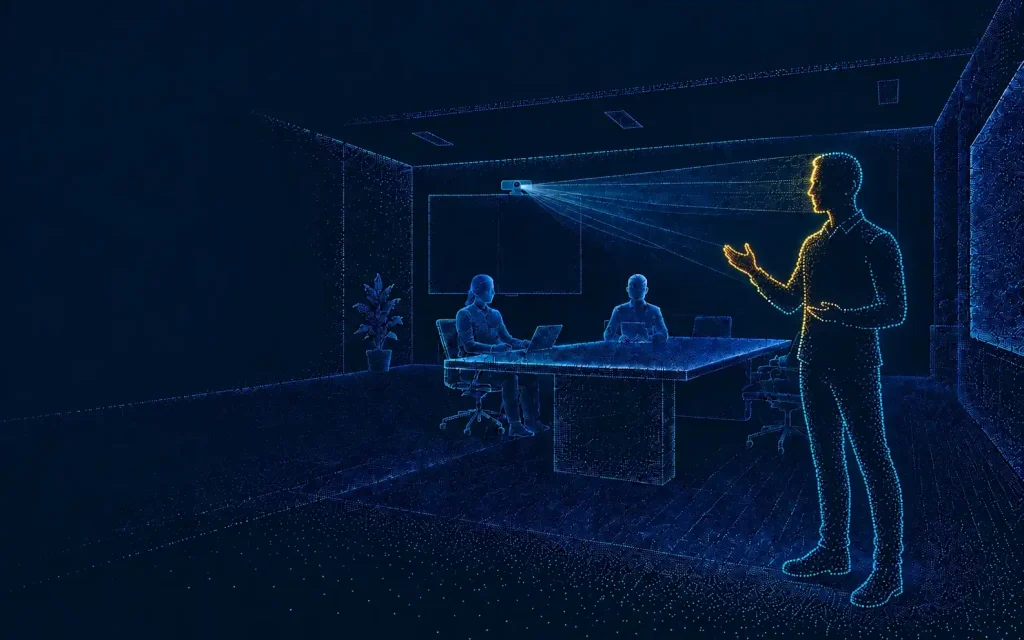
AI Auto-Framing & Face Following Depth-aware presenter position, subject distance and target selection RGBD camera Working distance, FOV, RGB/depth sync and host tracking latency
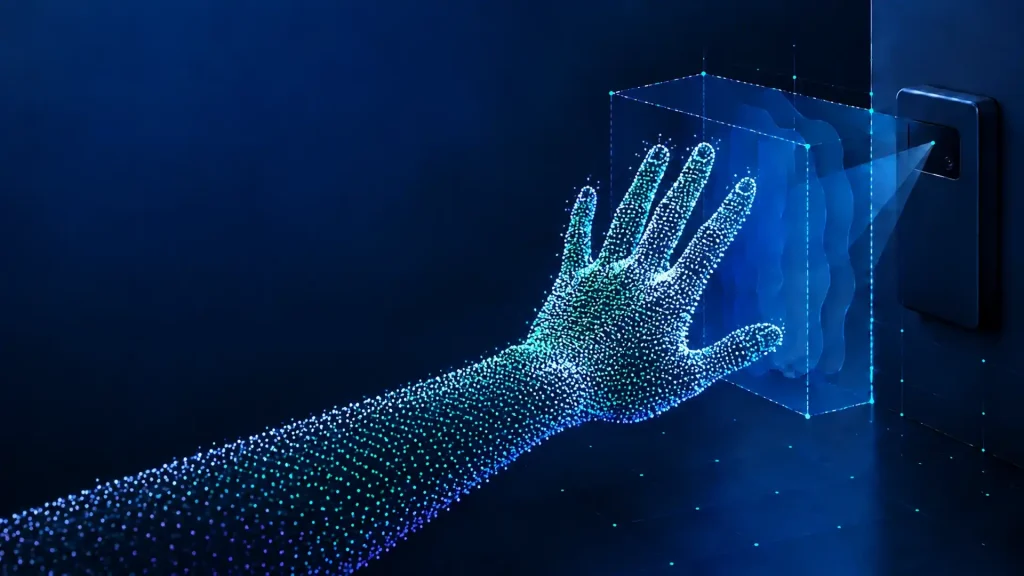
Touchless Gesture Control Hand geometry, gesture zones and touchless interaction events ToF camera module Working volume, pixel coverage, gesture complexity and end-to-end latency
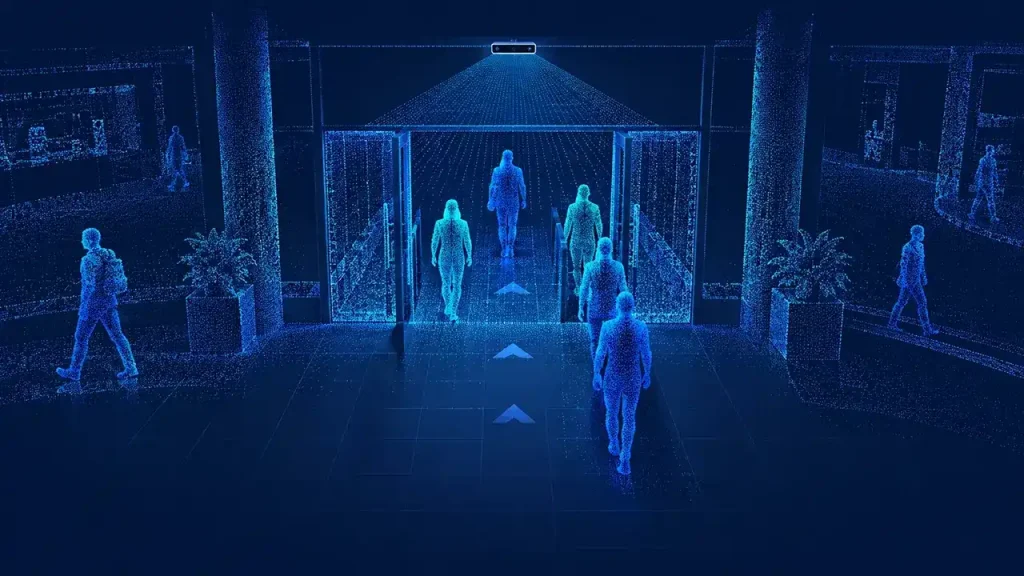
3D People Counting & Footfall Anonymous occupancy, direction and footfall events ToF camera module Mounting height, doorway coverage, occlusion, ambient IR and camera interference
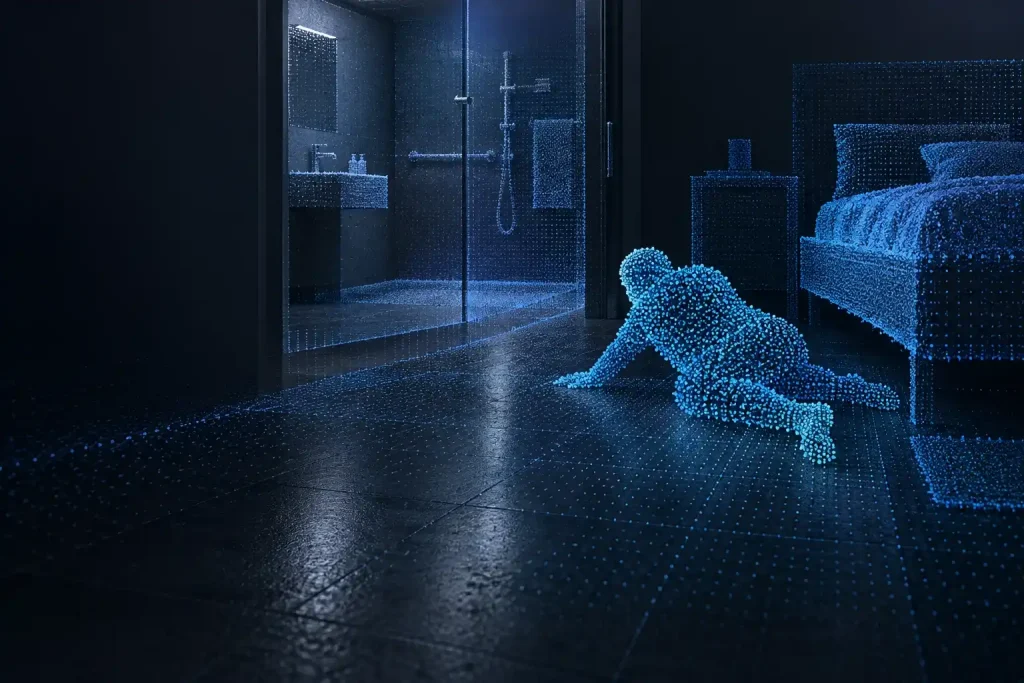
Privacy-Safe Fall Detection Privacy-first depth geometry, posture changes and fall events ToF camera module Mounting height, blind zones, low-light depth, steam and data governance
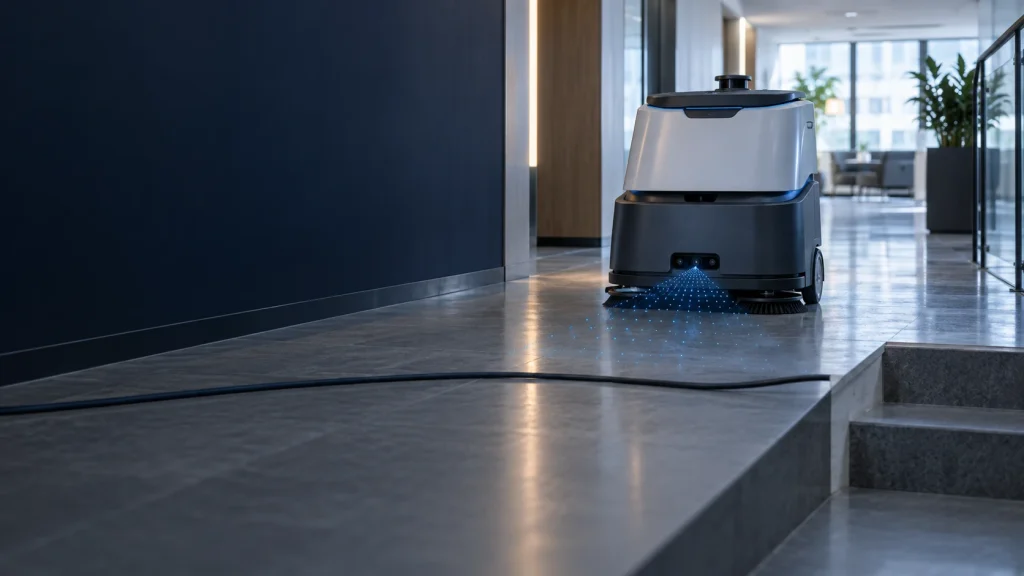
3D Obstacle Avoidance Near-field obstacles, floor transitions and drop-off geometry RGBD camera Near-field coverage, reflective floors, perception latency and multi-camera interference
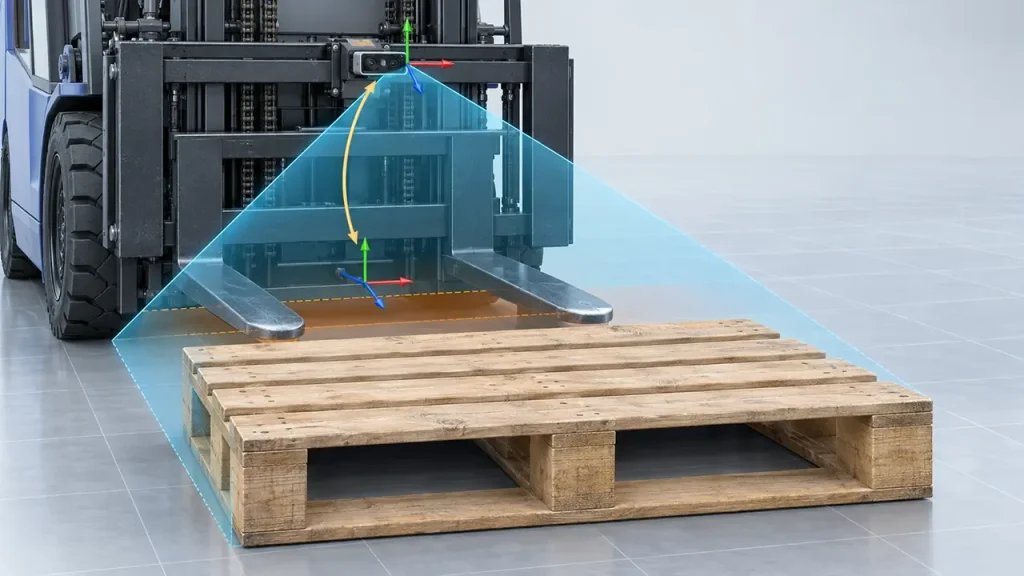
Pallet Detection & Docking Pallet geometry, pose, clearance and docking alignment RGBD camera Mounting geometry, trigger timing, motion, material reflectivity and occlusion
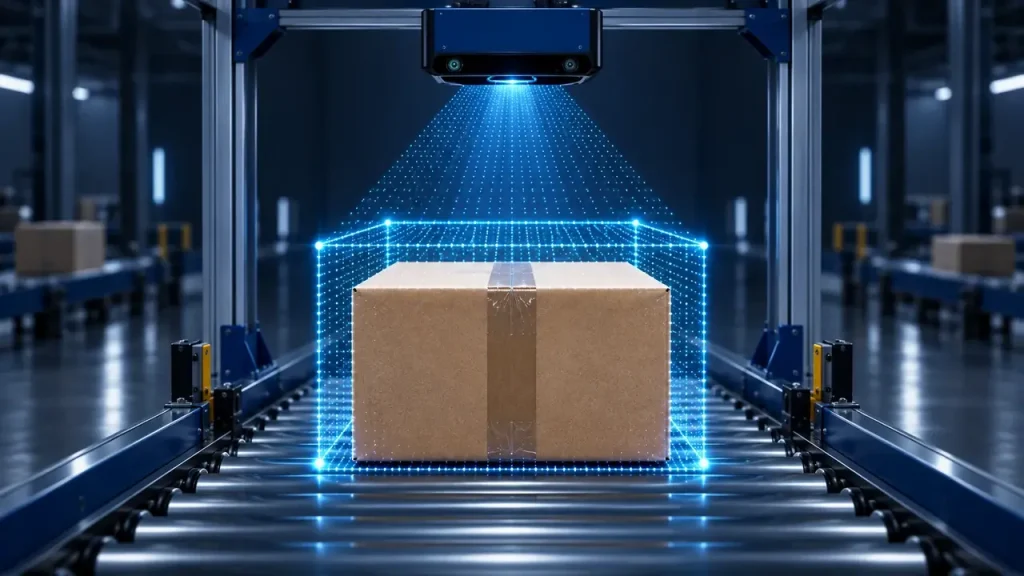
Dynamic / Static Volume Measurement Length, width, height and volume from calibrated depth RGBD camera Calibration, FOV, line speed, target materials and incomplete-scan handling

Have a perception challenge that does not fit a standard solution?

We can help evaluate range, field of view, interface, environmental constraints, and volume-production requirements.

Talk to Our Team